How should special-diet trays reach the right housing unit?
TL;DR
- Use the current authorized diet list, identify each meal through assembly and handoff, and record changes after dispatch preparation.
- Check portions and tray space with the diet team.
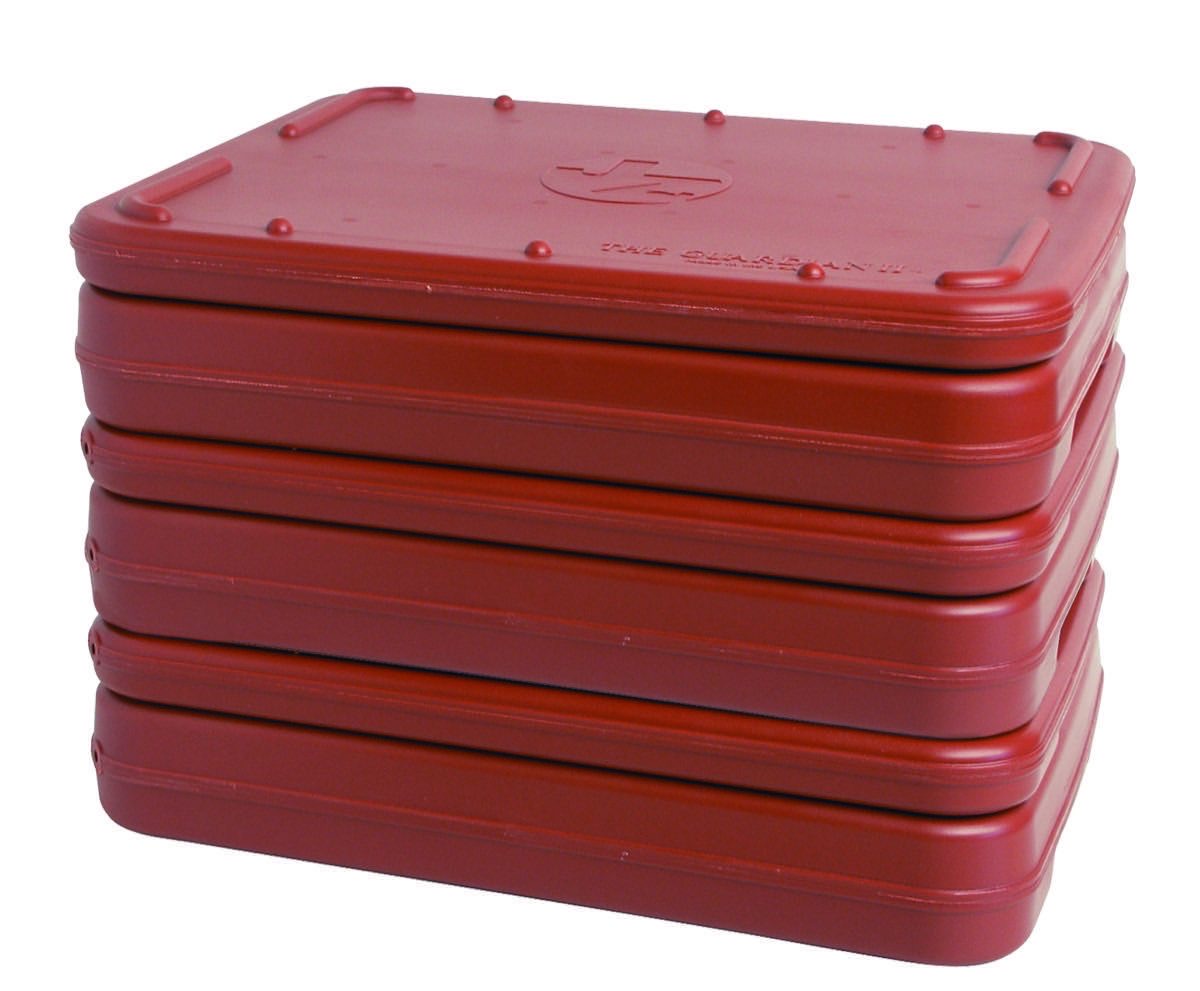
Special-diet tray delivery starts with an authorized meal list that the kitchen and receiving staff can reconcile. Keep the meal type, destination and approved identification attached to the service record through assembly, loading and handoff. Give staff a defined way to report a change or an incorrect meal before completing service.
The archived BOP Food Service Manual describes advance notice of the number and types of satellite-service trays, including no-pork or no-flesh requests. [1] That is a documented example of diet information entering the meal plan. The workflow below is a suggested worksheet for the facility’s food service, diet and custody teams to adapt.
Who authorizes the diet list used for assembly?
Identify the local role that supplies the approved diet instructions and the role that confirms the delivery destination. Record the list revision and the time the kitchen received it. Have the responsible staff resolve missing or conflicting instructions through the approved process before assembly.
Use the facility’s approved identification method and privacy practices. Keep personal and medical details limited to the authorized internal record. If staff use color as an operational cue, retain the approved written meal identification as well. Ask the diet team to define which information must remain visible at each handoff.
How do portions and separate components affect tray selection?
Map the approved meal to the proposed tray compartments. Record separate containers, lids, cups and utensils on the meal-set list. Check the intended serving tools and the actual portion presentation. Have the diet supervisor resolve a portion that does not fit the selected compartment before the tray is added to the operating plan.
The SMART-5 sheet lists large compartment volumes of 16.7 and 11.6 ounces. The SMART-5-XD sheet lists 27.5 and 19.0 ounces for the corresponding compartments. [2] [3] These dimensions of the meal space help define a sample inquiry. They do not prescribe a therapeutic portion or authorize a menu change.
What should be checked when a deeper tray is proposed?
The SMART-5 sheet lists an overall size of 13.4 by 9.25 by 1.9 inches; the SMART-5-XD sheet lists 13.4 by 9.25 by 2.6 inches. [2] [3] The SmartTray family page provides the model-level documents needed for the evaluation.
Keep the proposed tray’s service purpose visible in the purchasing request. A deeper compartment may be relevant to the approved meal presentation, while the full set still needs a cart and handling review. Test the actual portions and covered tray through the intended handoff under the facility’s approved procedure.
How should special-diet loads enter the cart plan?
The JZH-54-RH sheet lists 54 standard SmartTrays or 39 SmartTray XD trays as alternative loads. [4] The sheet does not establish a mixed standard-and-deep loading arrangement for your route.
Record the confirmed usable load and calculate dispatches from the actual tray requirement. Include separate hot and cold pieces in the inventory. If the proposed configuration adds a dispatch or requires a cart to return before reloading, put that step on the schedule. Use the compatibility guide to prepare the loading inquiry.
How should staff handle hot and cold meal components?
Identify the approved holding and delivery method for each component. Keep food-condition checks tied to the actual meal and the facility’s required measurement procedure. Record loading, dispatch, arrival and service times when evaluating the route. Give delayed meals a defined process approved by the food service team.
The JZHA-120 sheet identifies heated/ambient operation; it does not specify active refrigeration. [5] Use the cart configuration page to distinguish equipment functions before deciding where each meal component travels.
What happens when a meal changes after loading?
Record the authorized change, who received it and which dispatch record it affects. Have staff acknowledge any revised destination or meal type through the approved communication process. Keep the original count and the change visible so the receiving unit can understand the quantity actually sent.
Identify the staff member responsible for a replacement or delayed meal. Record its release and receiving acknowledgement separately from the original handoff. Keep food handling, identification and custody checks attached to that replacement. A late change still needs a complete record of what was served and where.
What should receiving staff check at the housing unit?
Confirm destination, meal identification, quantity and separate components against the dispatch record. Use the facility’s process to resolve an unidentified or incorrect tray. Record the exception and the responsible contact. Keep any corrective action tied to the original meal record and the later replacement if one is issued.
For in-cell delivery, evaluate the complete loaded set at the actual food port using the approved handling procedure. A tray selected for its portion space still needs the facility’s physical handoff evaluation.
Can every special-diet program use the same reusable set?
Ask the authority responsible for the diet program to approve the service items. The archived BOP manual includes single-use items in its Certified Food handling provisions. [1] That source should prompt a program-specific review; it does not establish one reusable or disposable rule for every correctional meal.
Keep the approved exceptions in the purchasing list. Separate reusable circulation quantities from single-use consumption when budgeting. Confirm which handling and identification practices apply to each set. The reusable conversion article provides questions for a proposed change in service materials.
What should the kitchen review after the trial?
Reconcile returned trays, lids, cups and utensils with the issued meal sets. Record items still circulating, waiting for washing or withheld for inspection. Follow the approved sanitation process before releasing pieces for the next meal. Compare the time clean, dry stock becomes available with the next assembly schedule.
Review meal identification exceptions, portion fit, loading changes and receiving acknowledgements with the diet and custody teams. Attach their accepted configuration and handling requirements to the quote request. Keep the approved list revision and sample models with the trial record so the next evaluation uses the same starting point.
Frequently asked questions
Can a larger tray change the approved diet portion?
The diet team determines the portion. Evaluate tray space against that approved portion and have the team resolve any mismatch.
Does the JZH-54-RH sheet verify a mixed SmartTray and XD load?
It lists separate standard and XD capacities. Request confirmation of the specific mixed loading arrangement before assigning its capacity. [4]
How should a late diet change be recorded?
Link the authorized change to the original dispatch record, identify the person responsible and record the receiving acknowledgement under the local process.
Talk to a JonesZylon corrections specialist.
800-848-8160 | solutions@joneszylon.com | 305 Center Street, West Lafayette, OH 43845
Sources
- BOP Food Service Manual, satellite service and sanitation (archived research, accessed September 7, 2026). https://www.bop.gov/policy/progstat/4700_008.pdf (accessed 2026-09-07)
- SMART-5 copolymer tray (manufacturer specification). /pdf/Dinnerware/Compartment%20Trays/SmartTray-Copolymer.pdf (accessed 2026-09-08)
- SMART-5-XD deep copolymer tray (manufacturer specification). /pdf/Dinnerware/Compartment%20Trays/SmartTray-XD-Copolymer.pdf (accessed 2026-09-08)
- JZH-54-RH heated cabinet (manufacturer specification). /pdf/Equipment/Heated%20Carts/JZH-54-RH.pdf (accessed 2026-09-08)
- JZHA-120 heated/ambient cart (manufacturer specification). /pdf/Equipment/Dual%20Temperature%20Carts/JZHA-120.pdf (accessed 2026-09-08)