What should a jail check before replacing Styrofoam meal trays?
TL;DR
- Confirm which meals the facility allows to change, then test reusable trays through assembly, service, return, washing and drying.
- Budget tray bodies, lids, circulation stock, equipment, labor and documented replacement needs. Use current quotes and facility records.
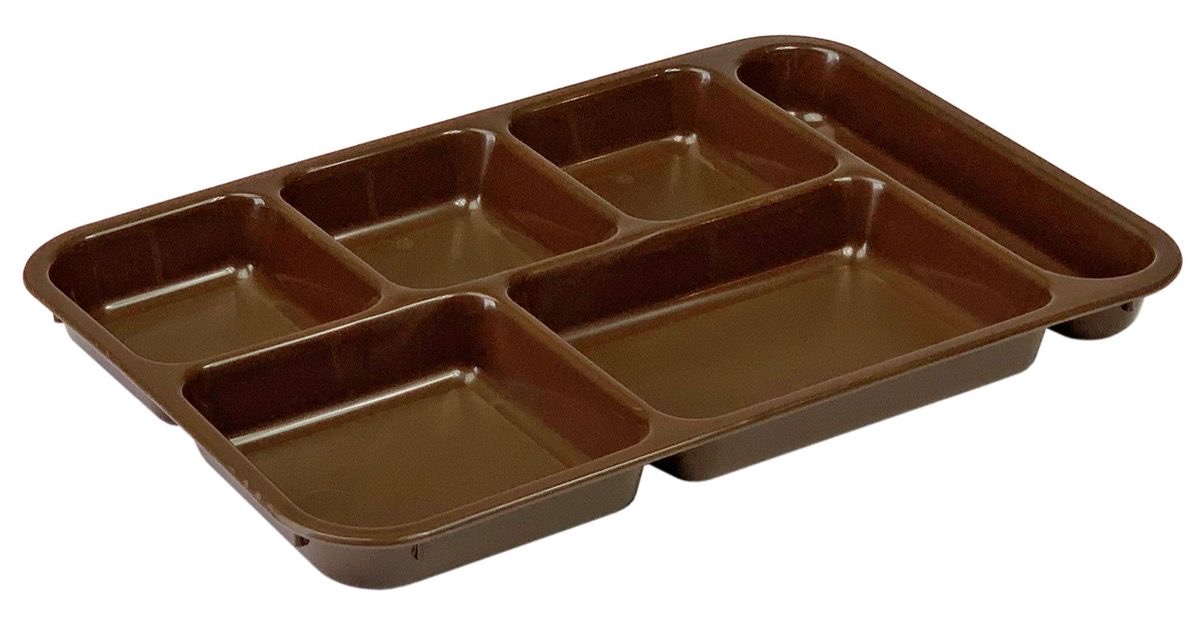
A conversion request should identify which meals can change, how returned pieces will be washed and dried, and what equipment and staffing the new cycle requires.
The archived Illinois DOC solicitation described an insulated-tray purchase intended to reduce Styrofoam use. The archived Hall County solicitation included disposable clamshells among contractor supplies. These examples establish different purchasing requirements at different agencies. They do not establish a universal disposable-tray ban. [1] [2]
Does the disposable restriction apply to every meal?
Ask the facility’s purchasing and food service teams to identify the exact policy, contract provision or approved operational decision behind the change. Record the covered products, locations and start date from that document. Keep the document with the conversion request and have the responsible team resolve exceptions.
Review special diets and other service arrangements before ordering a single replacement format. The archived BOP manual describes single-use items in its Certified Food handling provisions. [3] Ask the authority responsible for your program which requirements apply to its meals. Product selection should follow that determination.
What reusable pieces will replace the disposable set?
List every item now issued with the meal, including a tray or clamshell, utensils, cups, lids and any separate containers. Mark which items will become reusable and which remain single-use under the approved plan. Build the proposed reusable set around the actual menu and handling procedure.
As one documented example, the PRTS-5000 sheet identifies an insulated tray with a copolymer polypropylene shell and foam insulation. It lists a footprint of 14.38 by 11.25 inches, a body height of 2.06 inches and a height with lid of 3.25 inches. Cite and evaluate that exact model when preparing a sample request. [4]
Will the tray, lid and cart work on the existing route?
Measure the approved service route and evaluate the complete loaded set. Include cart access, serving surfaces, receiving points and any food ports. Avoid assuming that the reusable replacement occupies the same space as the current disposable package.
The PRTS-5000 sheet names PRTSL-5000 as its compatible lid. [4] Use the insulated tray family page and cart compatibility guide to prepare the configuration inquiry. Evaluate the intended portions and the actual handling sequence with samples before fixing quantities.
Can the dish room handle the returned pieces?
Observe where used items will arrive, how staff will prepare them for washing, and where clean pieces will dry. Apply the approved machine, sanitation and product instructions. Record the actual time from return until pieces are available for assembly. Include inspection and the handling of pieces removed from service.
The PRTS-5000 sheet lists dishwasher suitability. [4] That statement does not provide a cycle time or establish your machine’s output. Test rack placement and drying space with the proposed set. The drying rack page helps frame equipment questions, while the facility’s trial supplies the operating observations.
How many reusable trays should the first order include?
Record the peak number of pieces issued, pieces still returning or being washed, clean stock needed for the next assembly period and any approved reserve. Make separate calculations for tray bodies, lids, utensils and cups. Use the observed service overlap to determine the operating inventory.
Keep purchase quantities and issue quantities distinct. Request the current purchasing unit for each quoted item and convert the planned piece requirement into that unit. Record any rounding above the required number as spare inventory. Avoid assigning every component the same quantity when its service and return pattern differs.
What costs belong in the conversion worksheet?
- Initial tray bodies, lids, utensils, cups and other reusable pieces.
- Required carts, racks and changes to storage or wash areas.
- Freight and other charges shown on the actual quote.
- Observed handling, washing, inspection and storage labor.
- Water, energy, chemicals and waste charges from local records.
- Documented replacements and approved remaining disposable use.
Compare equivalent meal quantities over the same period. Separate startup spending from recurring spending so purchasing can assess both the conversion and later operation. Keep disposal costs on the same basis as the facility’s actual service agreement. An assumed waste charge can distort the comparison.
The reusable and disposable cost article owns the detailed cost comparison. Use the tray cost calculator with inputs supported by quotes and records. A predicted saving should remain an estimate until the facility has measured the changed operation.
How should staff run a conversion trial?
Select an approved meal and destination, identify the exact sample set and record the current service method before the trial. Observe assembly, loading, transport, handoff, collection, washing, drying and storage. Ask custody staff to review issue and return accountability before reusable pieces enter service.
Record the trial’s exceptions as well as its ordinary steps. Include incomplete returns, washing delays, pieces withheld for inspection and any extra handling at the unit. If a change is needed, document the revised configuration before repeating the trial. Keep comparisons tied to the actual version tested.
What goes in the final purchase request?
Attach the applicable policy, approved meal scope, sample identifiers, accepted configuration and measured circulation requirement. Include current quotes and the cost worksheet with its assumptions visible.
Keep any approved disposable exceptions on the same purchasing list. Specify how replacements will be identified by model and how observed losses will be reviewed. The RFP template provides a place to request the supporting model documents and acceptance evidence.
Frequently asked questions
Are Styrofoam meal trays banned in every jail?
The archived procurement sources show differing facility requirements. Check the policy or contract governing the specific facility and meal program. [1] [2]
Does a reusable tray program always cost less?
The result depends on actual purchase, labor, sanitation, replacement and waste costs. Compare the same meal quantity and time period using local records.
Talk to a JonesZylon corrections specialist.
800-848-8160 | solutions@joneszylon.com | 305 Center Street, West Lafayette, OH 43845
Sources
- Illinois DOC historical insulated-tray solicitation (archived research, accessed September 7, 2026). https://www.bidbuy.illinois.gov/bso/external/bidDetail.sda?docId=24-426DOC-CENTO-B-41328&external=true&parentUrl=close (accessed 2026-09-07)
- Hall County historical food-service solicitation (archived research, accessed September 7, 2026). https://www.hallcounty.org/bids.aspx?bidID=980 (accessed 2026-09-07)
- BOP Food Service Manual, satellite service and sanitation (archived research, accessed September 7, 2026). https://www.bop.gov/policy/progstat/4700_008.pdf (accessed 2026-09-07)
- PRTS-5000 insulated tray (manufacturer specification). /pdf/Dinnerware/Insulated%20Trays/PRTS-5000.pdf (accessed 2026-09-08)